

SMU Libraries put Asia at the centre of the global conversation on research
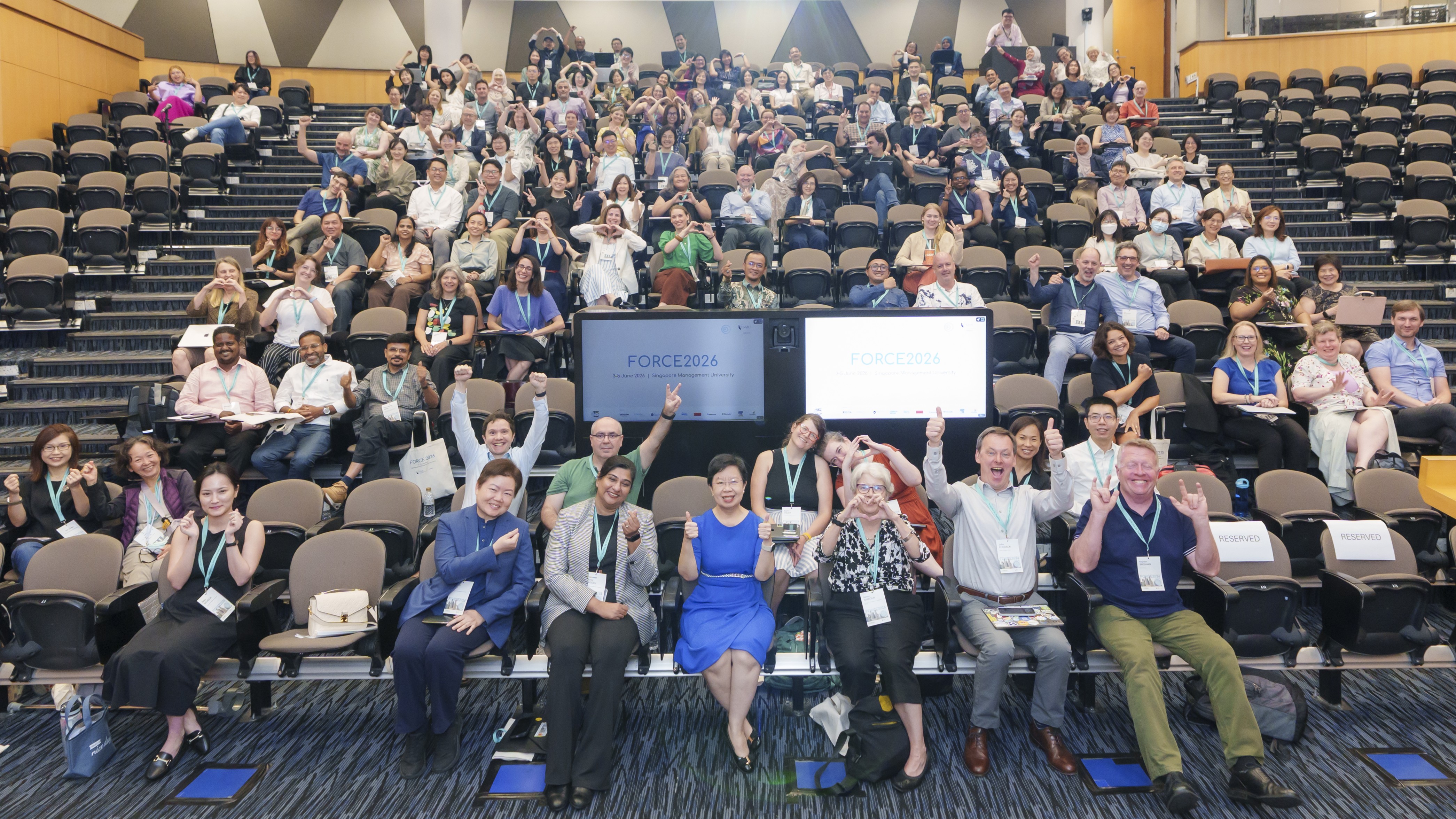
When SMU Libraries welcomed the global scholarly communication community to campus for FORCE2026, it did more than host an international conference. It positioned SMU at the forefront of discussions that will shape how research is evaluated, shared and trusted in an era increasingly influenced by artificial intelligence and changing expectations of academic impact.
Held from 3 to 5 June 2026, FORCE2026 was the latest edition of FORCE11’s annual conference. FORCE11 is an international community dedicated to improving how scholarly knowledge is created, shared and used.
This was the first time in the organisation's 15-year history that the conference was held in Asia. It gave Singapore and SMU Libraries a prominent role in global conversations on scholarly communication, research assessment and open scholarship, and created a stronger platform for Asia-Pacific institutions to join debates that have often been led by Europe and North America.
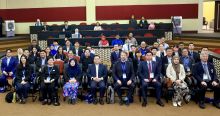
Researchers, librarians, publishers, technologists, funders and research infrastructure leaders gathered from across the region, including Indonesia, Thailand, Hong Kong, India, New Zealand, Japan, China and Australia, alongside several participants from the United States and Europe.
Rethinking what research should reward
Professor Lily Kong, President and Lee Kong Chian Chair Professor at SMU, opened the conference with a keynote that set the tone for the days ahead.
In her keynote address, “From ‘Publish or Perish’ to Purpose and People: Going Together on Research Assessment Reform”, she examined how publication counts and citation metrics, while useful indicators of scholarly contribution, can become problematic when they turn into goals in themselves. The result can be a narrowing of what institutions recognise and reward, she said.
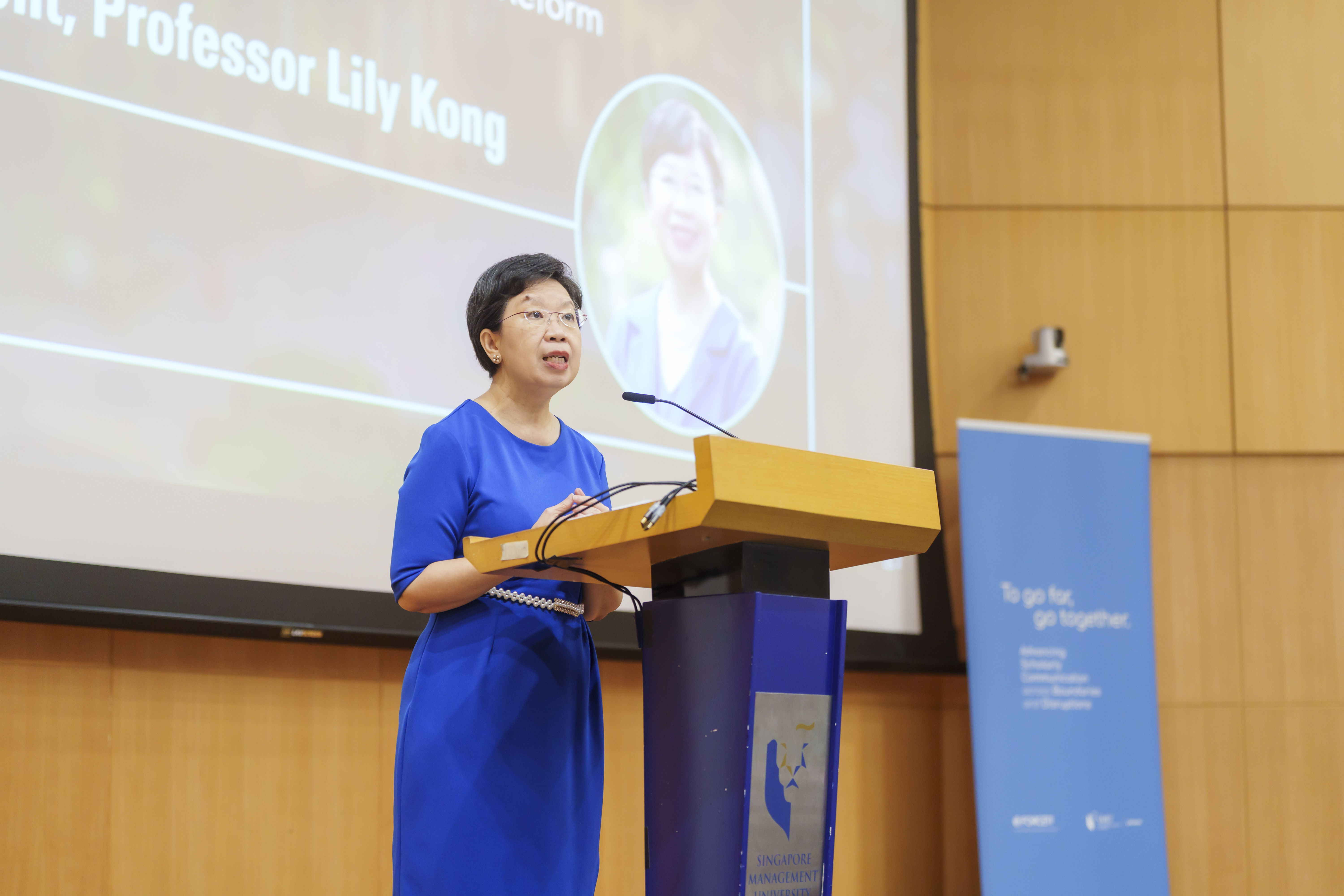
"No university can reform research culture alone. Universities operate within broader ecosystems shaped by publishers, funders, ranking agencies, governments, technology platforms, libraries, and scholarly communities themselves. The incentives embedded across these systems often reinforce one another."
Professor Kong argued for a broader understanding of academic contribution that includes policy influence, educational transformation, industry engagement and community impact. Her address also reflected a wider shift in higher education: libraries are increasingly becoming strategic partners in research integrity, data stewardship and the responsible dissemination of knowledge.
Living with AI, not waiting for it
Artificial intelligence emerged as one of the conference's defining themes.
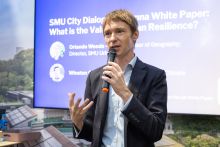
Ian Mulvany, Chief Technology Officer of BMJ Group that includes the renowned British Medical Journal, challenged delegates to think beyond the simple question of whether AI is good or bad for scholarship. In his keynote, “Attention is all we have”, he argued that the research community must actively shape how AI is used.
"Attention is all we have. In a world of abundant knowledge creation and intelligence on tap, how we choose to use our attention becomes increasingly critical. The role of the human must remain critical."
The conference was closed by Professor Ginny Barbour, Editor-in-Chief of the Medical Journal of Australia and Co-Chair of the Declaration on Research Assessment (DORA). Her keynote, “Publishing in 2026”, examined mounting pressures on scholarly publishing, including peer review overload, AI-generated papers and the need to prepare academics for a rapidly changing research environment.
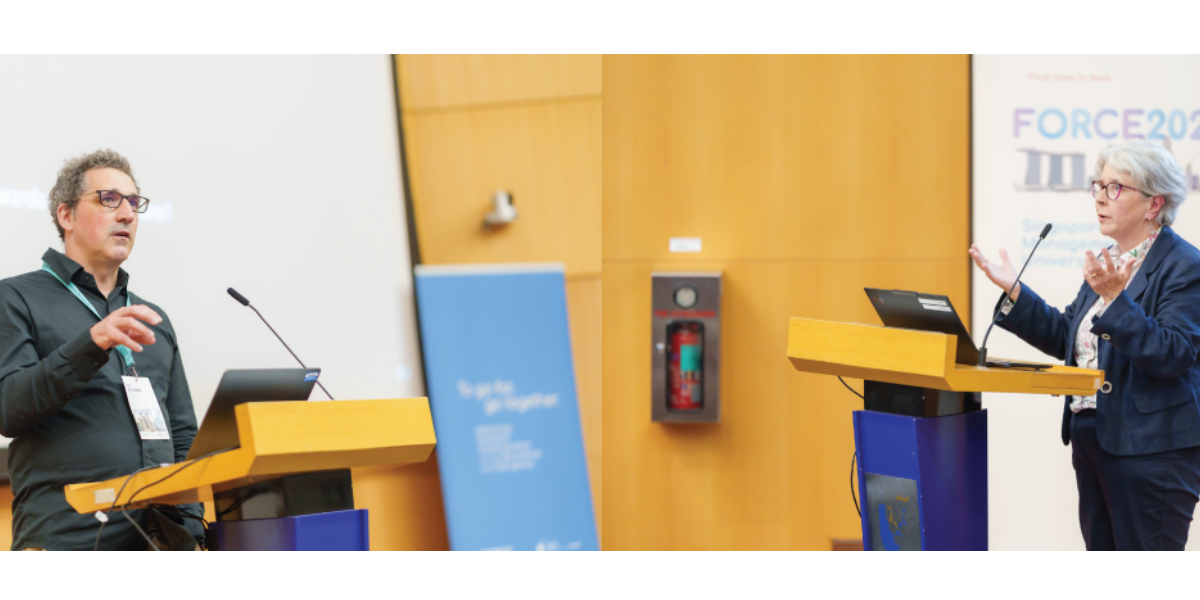
Between the keynotes, sessions explored open infrastructure, FAIR data (a set of principles that make research data easier to find, access and reuse, developed by the international initiative GO FAIR), research software sustainability, accessibility, equity and AI-powered workflows. A satellite event co-organised by CoARA (Coalition for Advancing Research Assessment), DORA (Declaration on Research Assessment), ALLEA (European Federation of Academies of Sciences and Humanities) and FORCE11 further extended the discussion on research assessment reform across the Asia-Pacific.
A conference with longer-term significance
For SMU, the significance of FORCE2026 extends beyond the three-day programme.
Hosting the conference demonstrated the growing role of SMU Libraries as a convenor of international dialogue on research and scholarly communication. Through leadership within global networks such as FORCE11, SMU Libraries is helping to connect regional priorities with global discussions on how knowledge should be created, assessed and shared.
Closing the conference, Bella Ratmelia, Senior Librarian at SMU Libraries, Co-Chair of FORCE2026 and Vice President of FORCE11, thanked participants and sponsors for their support and encouraged attendees to continue the conversations within their own institutions.
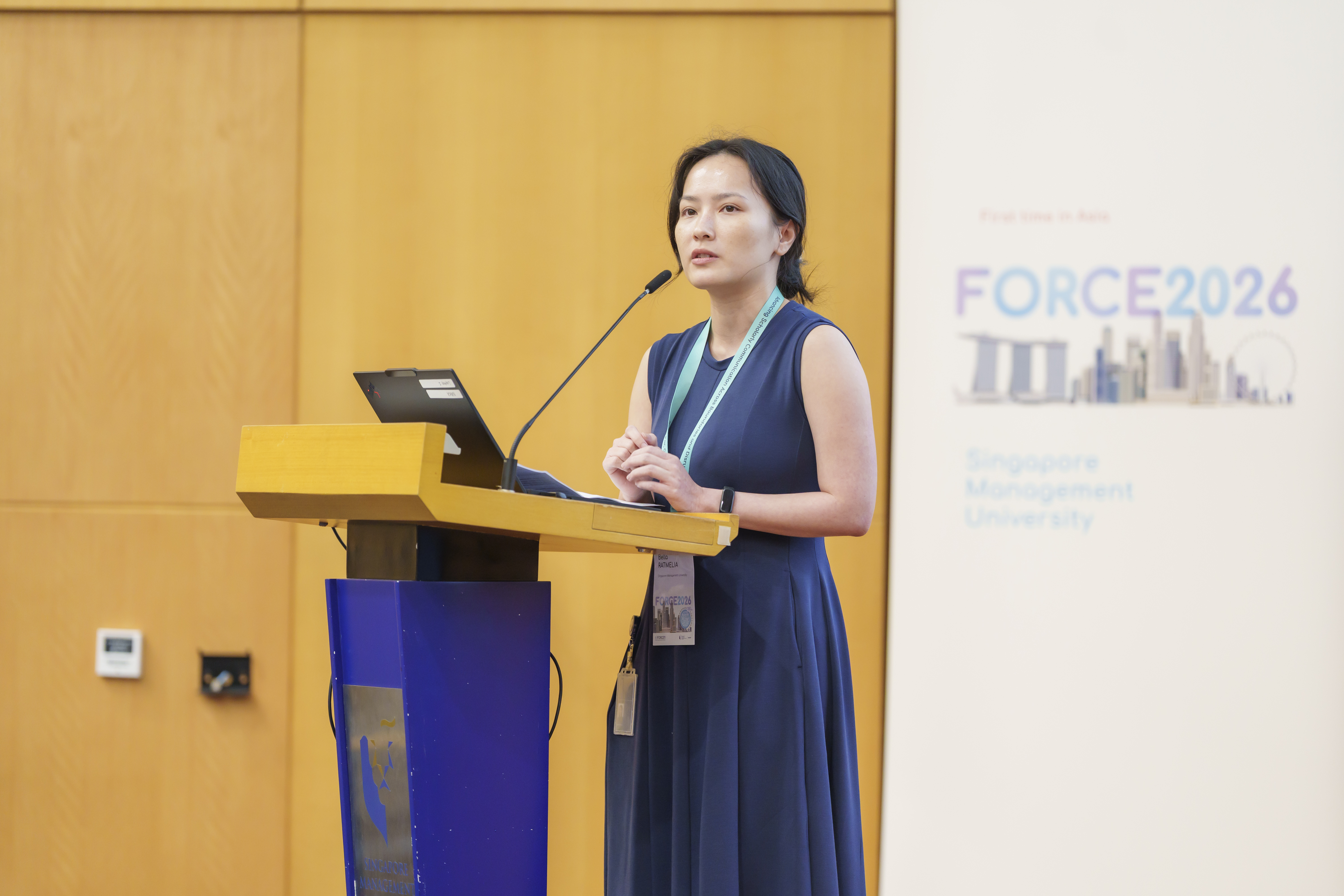
As she reflected in her closing remarks, FORCE2026 was not about leaving with the answers, but about finding one another.
That may prove to be the conference's most important outcome. At a time when research challenges increasingly cross national and disciplinary boundaries, the ability to bring people together around shared questions has become a strategic asset. By bringing FORCE11 to Asia for the first time, SMU Libraries showed how a university library can serve not only as a steward of knowledge, but also as a catalyst for shaping the future of research across the region and beyond.