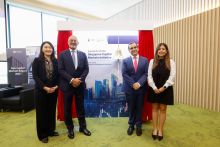


SMU leads regional conversation on the future of learning
SMU leads regional conversation on the future of learning
As artificial intelligence reshapes higher education, SMU is helping to steer a different conversation that is centred on the values that should guide the use of technology.
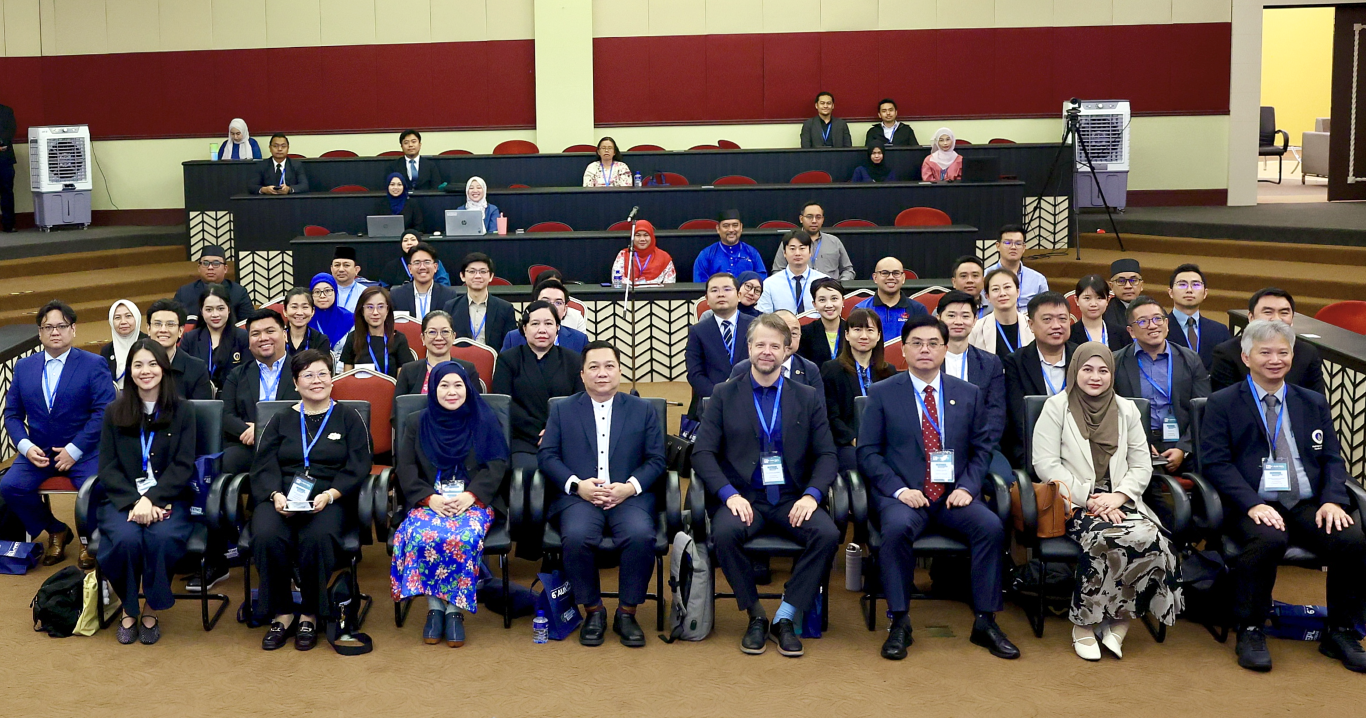
As Chair of the ASEAN University Network Thematic Network on Technology-Enhanced Personalised Learning (AUN-TEPL), SMU brought together more than 60 educators, academic leaders and policymakers from across the ASEAN+3 region on 3 and 4 June 2026. Together, theyexplored how AI can personalise learning while protecting ethics, fairness and academic integrity.
Hosted by Universiti Brunei Darussalam (UBD), the 6th AUN-TEPL Symposium, themed “Ethics in Personalised Learning”, provided a platform for universities to share practical experience, examine emerging challenges and identify common approaches to responsible AI adoption.
Rather than asking how quickly AI can be introduced into classrooms, discussions focused on a more fundamental question: how can universities ensure technology strengthens learning without diminishing the human relationships that make education meaningful?
Setting the regional agenda
The symposium brought together AUN-TEPL's co-lead institutions — Universiti Brunei Darussalam, Mahidol University, Universiti Malaya and the University of the Philippines Diliman — to examine both the opportunities and risks presented by AI and other emerging technologies.
Delivering the welcome address, Professor Noor Azam, Deputy Vice-Chancellor of Universiti Brunei Darussalam, highlighted the growing importance of regional collaboration.
"As AI continues to reshape teaching, learning and student engagement, it is important to ensure that technological advancement is guided by ethics, inclusivity and human values, while strengthening regional partnerships to support responsible innovation in education,” he said.
The symposium reflected AUN-TEPL's evolution into a regional platform where institutions can exchange knowledge, develop shared approaches and respond collectively to rapid technological change.
SMU Associate Professor Tamas Makany, Chairman of the AUN-TEPL Thematic Network, reinforced the need for universities to place learners at the centre of AI adoption. Looking ahead, he announced plans for the network to evolve into the ASEAN University Network for Artificial Intelligence in Education (AUN-AIE), extending regional collaboration in teaching, research and educator development.
Keeping educators at the centre
While AI has become increasingly capable of generating content and adapting learning pathways, speakers consistently argued that education remains fundamentally human.
Keynote speaker Dr Jeremy Van Hof, Director of the Center for Teaching and Learning Innovation at Michigan State University, explored how experiential learning provides an ethical response to generative AI. Rather than replacing educators, he argued, AI should make learning more visible by helping teachers better understand how students think, learn and develop.
"While AI may increasingly support learning through content generation and personalised scaffolding, educators remain essential in guiding students, responding to their needs and designing meaningful experiential learning opportunities that foster critical thinking, growth and engagement."
Associate Professor Dr Thanapan Laiprakobsup, Executive Director of the ASEAN University Network, also stressed that technological innovation must remain grounded in ethical principles if it is to create more inclusive and flexible learning environments.
From principles to practice
Beyond strategic discussions, the symposium showcased practical approaches that educators can apply in their own institutions.
A panel comprising representatives from AUN-TEPL's co-lead universities, including Associate Professor Ouh Eng Lieh from SMU's School of Computing and Information Systems, examined governance, AI literacy and institutional frameworks that support innovation while safeguarding academic integrity.
Participants also attended hands-on workshops covering AI-enabled digital pedagogy, interactive learning resource design, policy development, cybersecurity considerations and credit transfer for standalone online courses across ASEAN.
Representing SMU's Centre for Teaching Excellence, Isaac Koh, Lead for Pedagogical Innovations, and Shamie Jegan, AI for Learning Innovation Specialist, demonstrated how educators can create interactive learning resources using AI while remaining focused on sound pedagogy and meaningful learning outcomes.
The symposium concluded with a fireside conversation exploring how ethical generative AI, Challenge-Based Project Learning and innovative digital pedagogies can strengthen creativity, critical thinking and responsible technology use among future graduates.
Looking beyond the technology
The rapid development of AI presents universities with difficult decisions that no institution can address alone. By convening educators across ASEAN+3, SMU is helping to build a shared understanding of how AI can enhance learning while preserving the principles that define quality education.
As the network prepares to evolve into AUN-AIE, the discussions in Brunei point towards a broader ambition: ensuring that the future of higher education is shaped not only by technological capability, but by collaboration, ethical leadership and a clear commitment to learners.