SMU opens Shenzhen overseas office to strengthen ties with China
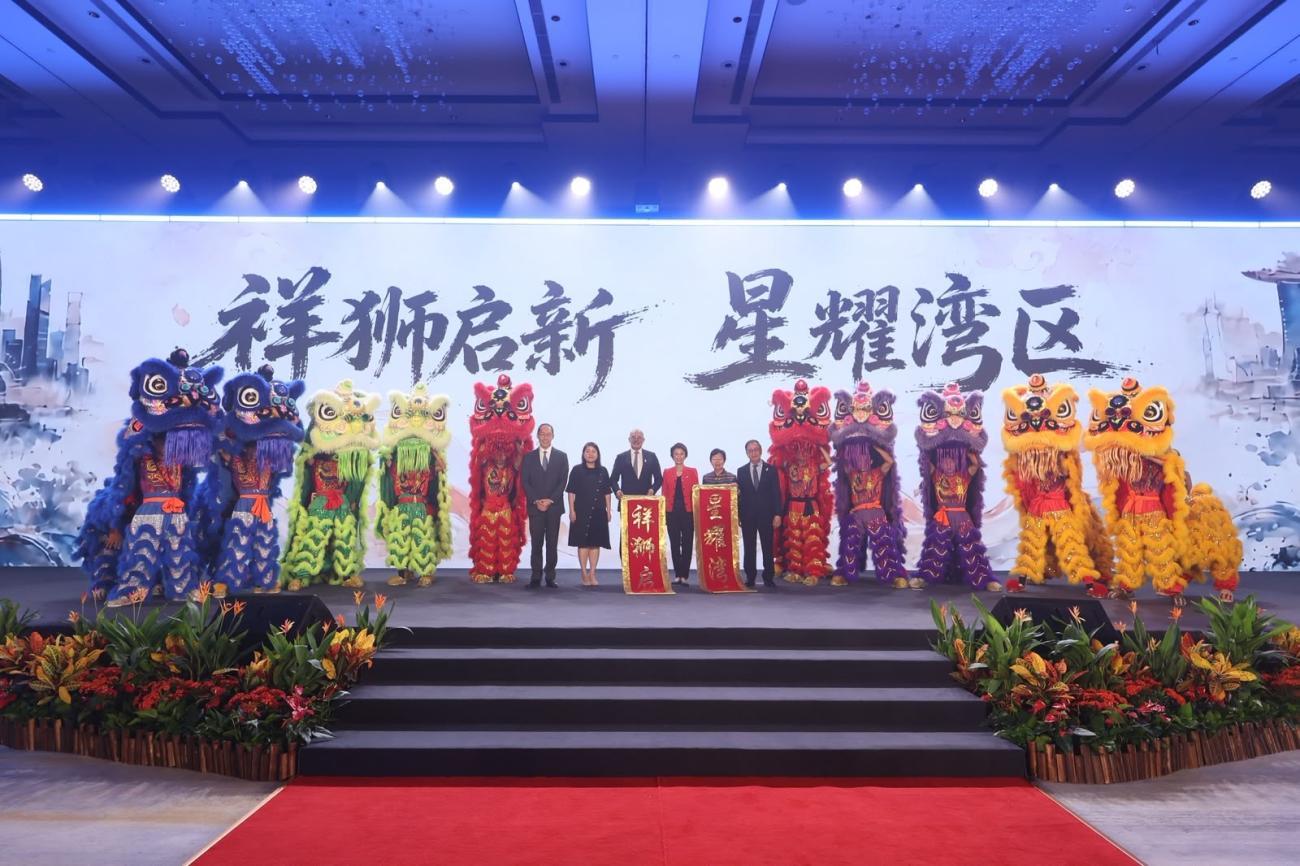
SMU has opened its first office in China, establishing a base in Shenzhen to strengthen connections between the Greater Bay Area, Singapore, and Southeast Asia.
Launched on 22 October 2026, SMU China expands the University’s regional presence and gives its academic, industry, and alumni networks a foothold in one of China’s leading centres of technology and enterprise.
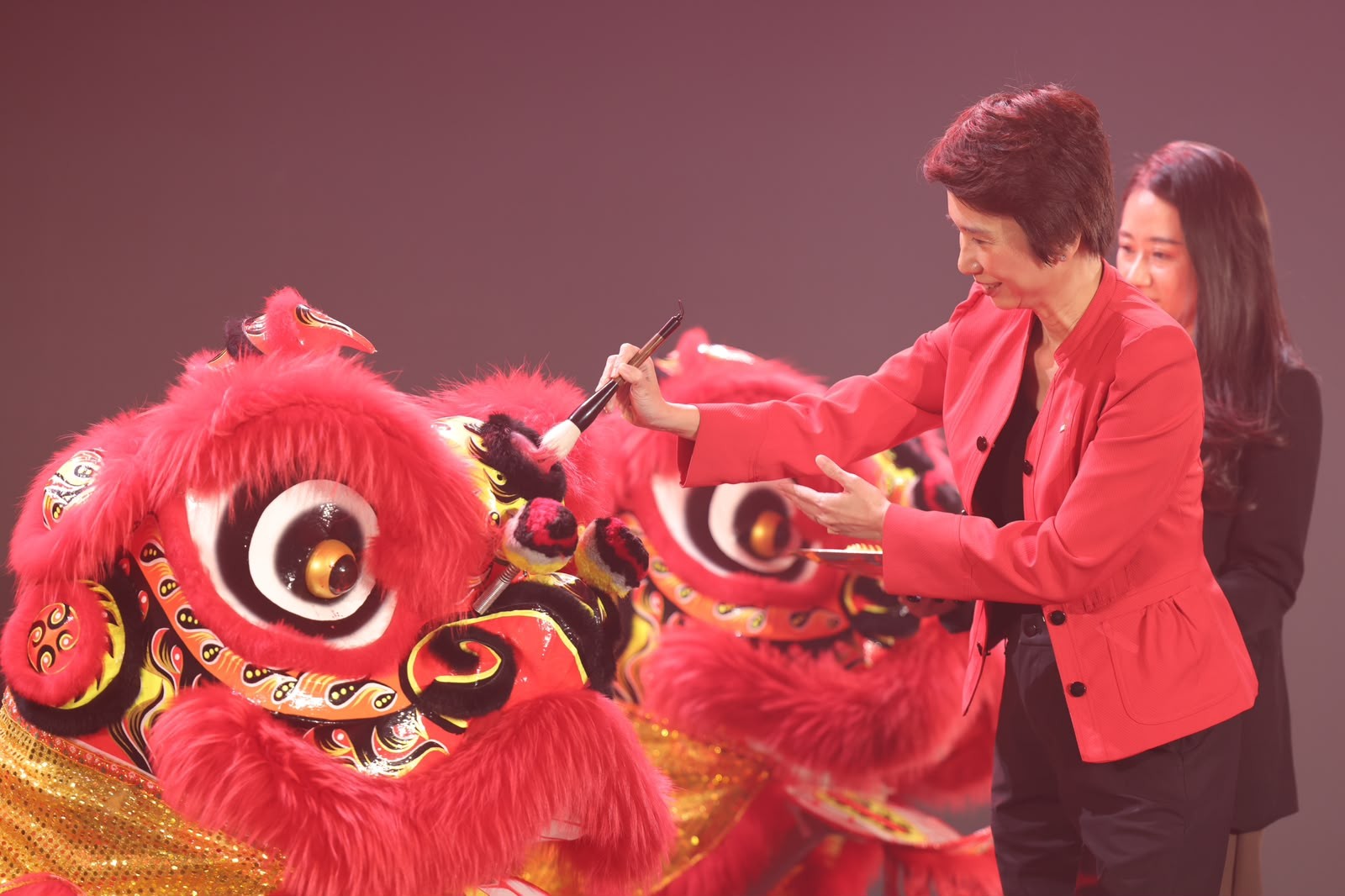
The launch ceremony at Raffles Shenzhen Hotel was attended by Guest of Honour Ms Low Yen Ling, Senior Minister of State, Ministry of Energy, Trade and Industry and Ministry of Culture, Community and Youth, Singapore and Ms Cindy Wee, Consul-General of Singapore in Guangzhou.
Four memoranda of understanding were announced with ‘Go Global’ Global Service Centre; Shenzhen Foundation for International Exchange and Cooperation; CIIC International Business Development Co. Ltd.; and The Chinese University of Hong Kong (CUHK), Shenzhen.
Together, the agreements cover business engagement, student opportunities, leadership development, and academic research.
A presence in a changing regional economy
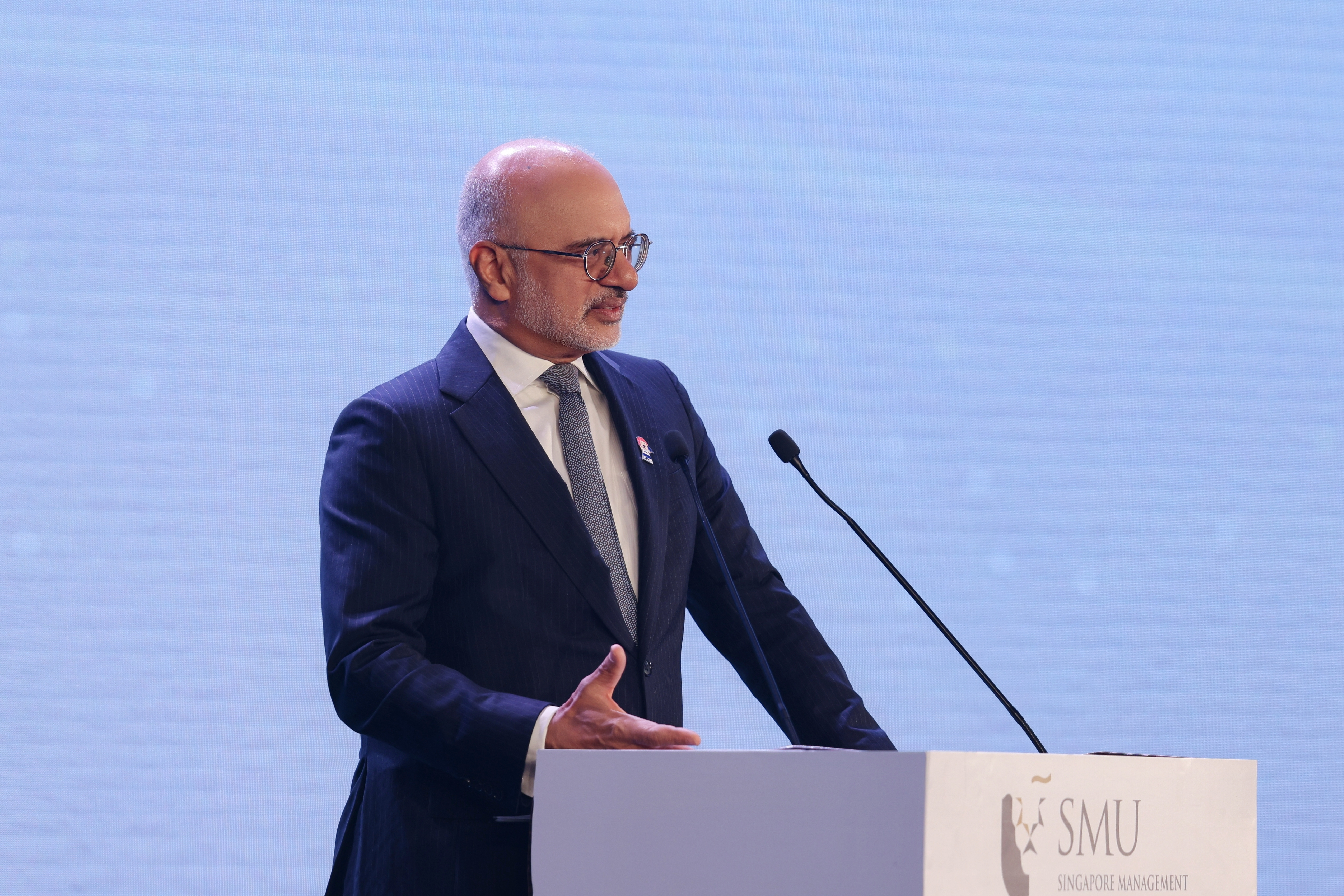
For SMU Chairman Piyush Gupta, establishing a base in Shenzhen reflects the importance of engaging with Asia’s economic development where it is taking place.
Shenzhen’s concentration of technology companies, research institutions, and entrepreneurs offers SMU a vantage point from which to understand regional change. Its connections to the wider Greater Bay Area, China, and the global economy also make it a strategic location for the University.
“SMU China will be a gateway into China and a bridge to Southeast Asia,” said Piyush Gupta. “Physical presence matters. Universities cannot fully understand changing economies and evolving societies from a distance. Being on the ground allows us to listen more closely, learn more deeply, and contribute more meaningfully.”
The office also responds to growing commercial interest between China and Southeast Asia. As Chinese enterprises look towards the region and Southeast Asian businesses pursue opportunities in China and the Greater Bay Area, SMU China will provide a point of contact supported by the University’s academic and professional networks.
Building on long-standing relationships
The Shenzhen office builds on more than a decade of SMU’s engagement with China. The University collaborates with 60 universities in China and has 7,000 alumni in the country, with Fudan University and Zhejiang University among its strategic partners.
SMU also runs joint Doctor of Business Administration programmes in Shenzhen with Peking University HSBC Business School and The Chinese University of Hong Kong, Shenzhen. Since 2011, more than 850 SMU students have undertaken internships with over 350 companies in China, while the country accounts for approximately one-fifth of the University’s Asia-focused research.
Led by Country Director Victor Huang, SMU China joins the University’s overseas offices in Indonesia, Thailand, and Vietnam. Its establishment supports SMU2030, the University’s five-year strategic plan to deepen its presence in key Asian cities.
From partnerships to opportunities
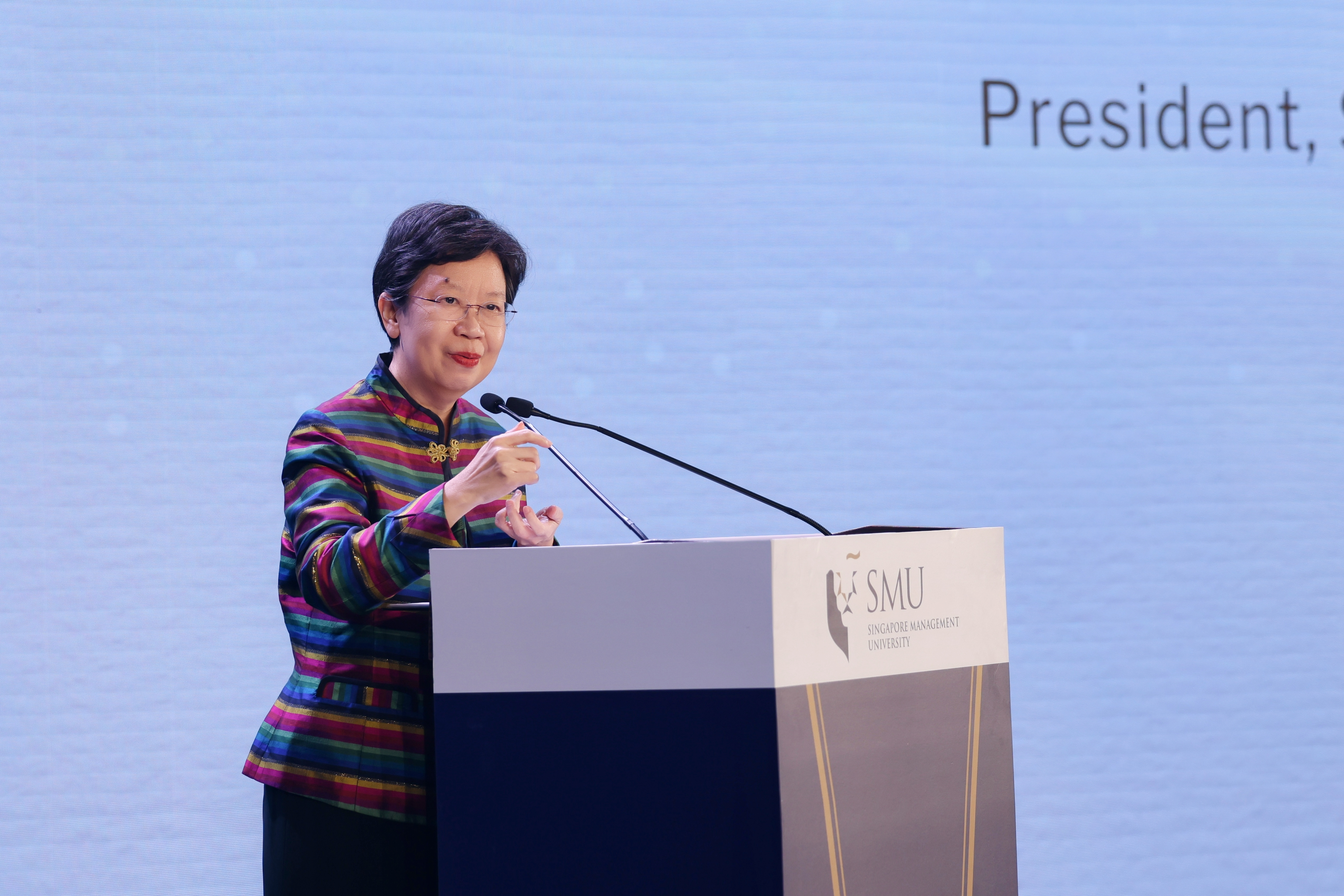
SMU President Lily Kong described the office’s purpose through three priorities: connect, create, and contribute.
Connecting means bringing organisations in China and Southeast Asia into closer contact. Creating means giving students greater exposure to China through direct experience. Contributing means bringing insights from Shenzhen into SMU’s teaching and research. The University already teaches more than 30 case studies on Chinese enterprises.
“What we care about most is preparing people who are Asia-ready: who do not simply know about Asia, but can work across it, understanding its markets, its systems, and its people,” said Lily Kong. “The Greater Bay Area needs such talent, and so does Southeast Asia.”
The four agreements give these priorities practical direction. Planned activities include student projects and internships, leadership development, academic exchanges, and support for businesses seeking to internationalise. The partnerships will also facilitate learning journeys, thought-leadership events, and SMU-X experiential learning projects.
The agreement between SMU’s School of Accountancy and The Chinese University of Hong Kong, Shenzhen’s School of Management and Economics will support research and academic exchange. Collaboration will include joint research proposals, field experiments in Asia, and short-term exchanges for research faculty and PhD students.
A gateway in both directions
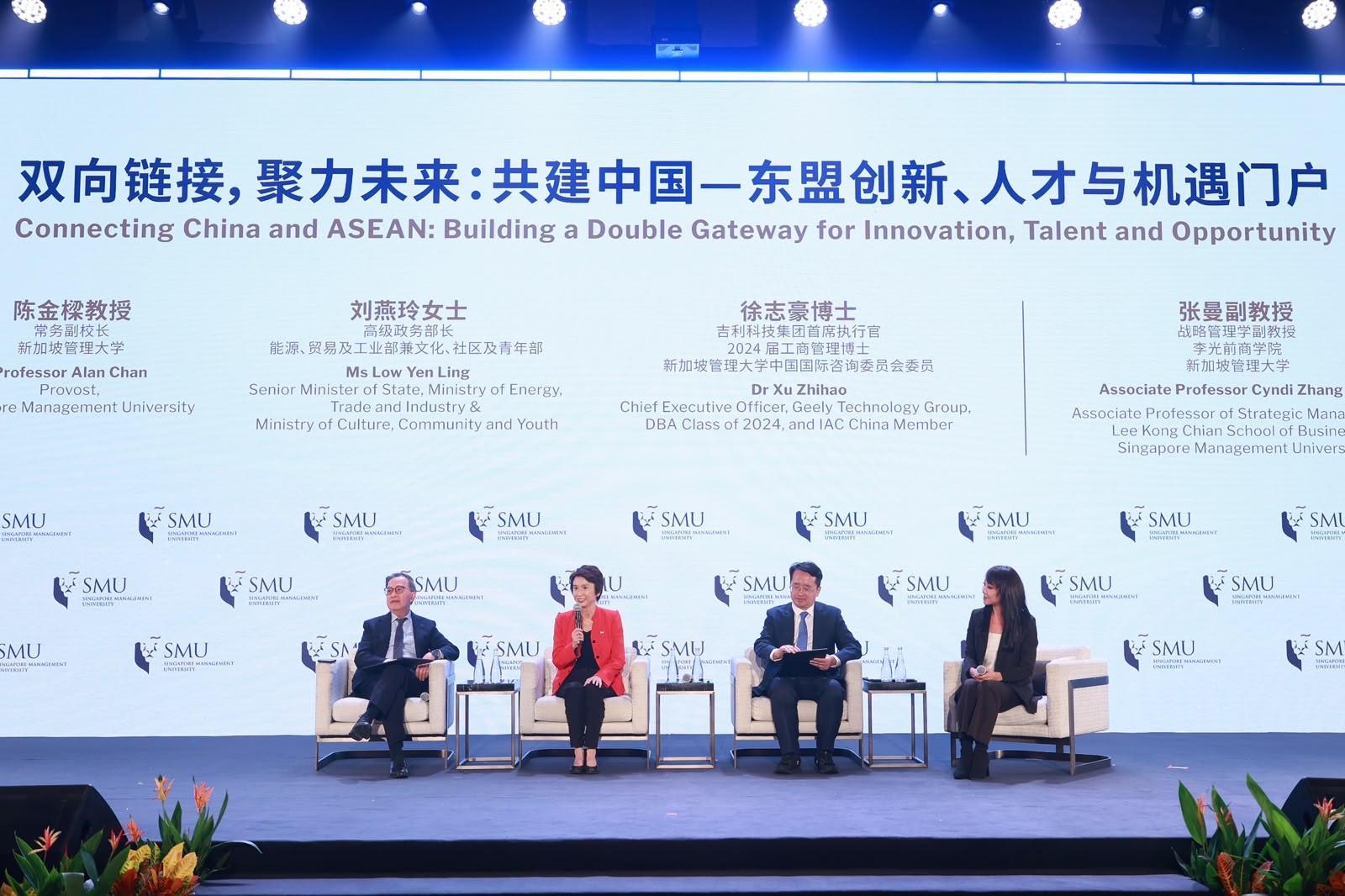
About 250 guests attended the launch, including university and industry partners, donors, alumni, staff, and students. A panel discussion explored how Chinese enterprises could expand into Southeast Asia through Singapore and how universities could support these connections.
Located in China Resources Tower in Shenzhen’s Nanshan District, SMU China will be the University’s principal point of contact in the country for prospective students, universities, and organisations. It will also connect businesses exploring Southeast Asia with SMU’s offices in Indonesia, Thailand, and Vietnam.
The office’s longer-term value will lie in what its presence makes possible: stronger research partnerships, greater industry access for students, and closer relationships between organisations across both regions. The task now is to turn these connections into opportunities that endure.