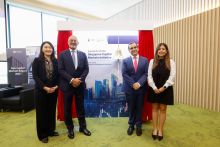


Professor David Chan joins World Bank-backed global skills panel
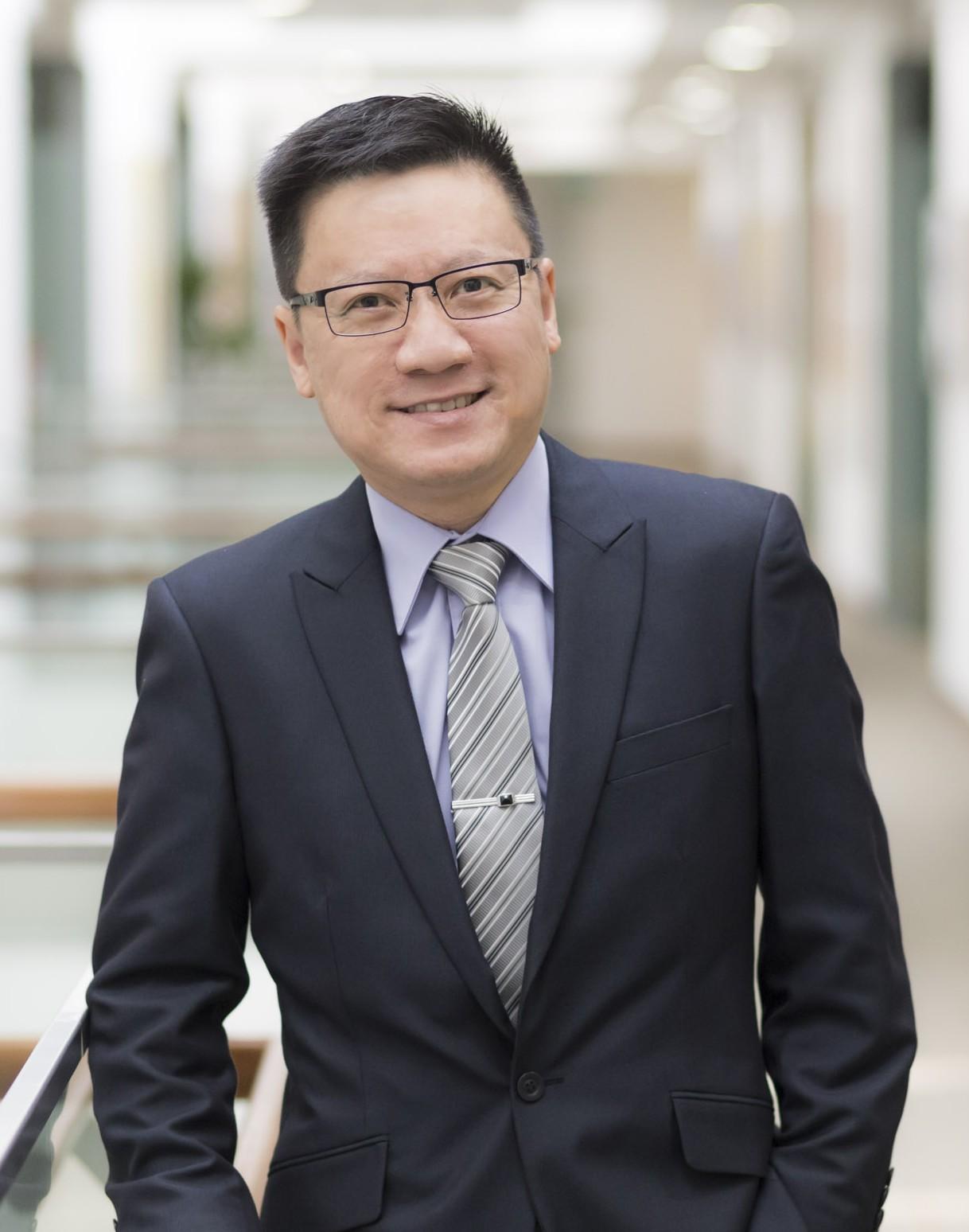
SMU Professor of Psychology David Chan’s appointment to a new global expert panel on skills represents more than international recognition of a Singaporean. For both SMU and Professor Chan, it represents translating research into real, meaningful impact by placing expertise in social and behavioural sciences, and evidence-based policymaking at the centre of a pressing global question: how can governments help people develop skills and adapt to rapid technological change while ensuring there are enabling circumstances and continuously relevant skills that will lead to better livelihoods?
Professor Chan, a Singaporean psychologist from SMU School of Social Sciences, has been appointed to the Global Advisory Panel on Skills (GAPS), jointly established by the World Bank Group and the Center for Global Development. The panel will identify effective skills interventions to raise incomes and reduce poverty in low- and middle-income countries, with its recommendations expected to inform workforce training and skills policies internationally.
At a time when digital technology and artificial intelligence are reshaping jobs and the skills people need to remain employable, the challenge is not simply identifying what workers should learn. It is understanding what enables individuals and societies to adapt, and which interventions can make a practical difference.
From global evidence to practical solutions
Professor Chan is one of up to 22 experts selected from academia, public policy, and professional practice worldwide invited to serve on the panel. He is chosen for his expertise in the social and behavioural sciences, as well as his background in evidence-based policymaking, particularly his leadership in research methods and work on how individuals adapt to changes at work.
The panel will draw on and assess global evidence to examine what works in helping workers and societies respond to AI, demographic shifts and changing workforce needs.
Its work complements, but is independent of, the World Bank Group’s High-Level Advisory Council on Jobs, co-chaired by Singapore President Tharman Shanmugaratnam and former Chile President Michelle Bachelet. While the two initiatives operate in parallel and are backed by World Bank, they have distinct roles: the global panel on skills will provide analytical and evidence-based recommendations that feed into the broader objectives of the advisory council on jobs.
Members of the global panel on skills are appointed for an initial two-year term, with the possibility of renewal for subsequent terms.
For Professor Chan, the opportunity is ultimately about turning research into action. He said: “I hope we can help translate rigorous scientific evidence into practical solutions that enable countries to respond to rapid technological and economic change, particularly by helping people develop the skills and adaptability needed for the future of work.”
Where evidence meets the future of work
The appointment also highlights an increasingly important role for behavioural and social science in shaping responses to technological disruption.
The future of work is often discussed through the language of technology, productivity and economic competitiveness. But successful adaptation also depends on how people respond to change: how they learn, adjust their behaviour, and develop the capacity to navigate changing and new working environments.
That intersection is where Professor Chan’s expertise becomes particularly relevant to the panel’s mission. His well-established work on research methods and individual adaptability to changes brings important social-behavioural perspectives to policy challenges that will affect workers, employers, and governments across economies at very different stages of development.
For SMU, it is a tangible example of how research expertise can travel beyond the walls of the university and directly contribute to international policy deliberations and initiatives with real consequences for people’s lives and livelihoods.
A Singapore voice, with a wider purpose
Professor Chan is no stranger to making history. He has been the first Singaporean and first Asian to receive several prestigious international psychology awards recognising both his scientific achievements and their real-world impact. His appointment to GAPS adds another international recognition to that record.
But he emphasises the need to see the appointment in perspectives beyond individual and national achievements. He said:
“The significance is not only about one individual Singaporean. It is a timely reinforcement of how people with different expertise and background, as individuals and collectively as a team, can play important roles in contributing solutions to challenges and make real, meaningful impact in various ways.”
He reiterated: “Of course, it is good that Singapore has a voice in these important international efforts. But ultimately, a reminder that we must never forget is, whether we are formally recognised or not, what matters is the positive and practical difference we can all help make to people’s lives, locally or globally”.
This distinction that Professor Chan made matters - international appointments can confer prestige at the individual, institutional, and national level, but the value that matters most is what and how expertise can contribute to accomplish practical objectives and bring about practical outcomes that will make a positive difference to people’s lives.
For SMU, Professor Chan’s appointment offers a clear example of that principle in action: practical recommendations grounded in scientific evidence, informed by an adequate understanding of human behaviour and the contexts in which they occur, and directed towards problems that governments and societies will have to address.
As technology continues to change the nature of work, the harder question may not be what the future will look like, but how individuals and societies can prepare for it. SMU, through Professor Chan, now has a voice in that global conversation and a platform for deep, meaningful impact.