Regular cancer screening is often treated as a matter of personal responsibility. But research by SMU’s Centre for Research on Successful Ageing suggests that the people around us may also influence whether we keep it up.
The study, titled “Who encourages screening? Examining family, friendship and other drivers of health screening participation in later life”, analysed responses from 7,139 Singapore Life Panel® participants aged 50 to 79. It examined whether participants underwent cervical, colorectal and breast cancer screening regularly, at intervals consistent with recommended guidelines.
“Understanding those differences can help us move beyond a uniform approach to encouraging screening,” said Professor Paulin Straughan, Director of Centre for Research on Successful Ageing. “Future efforts can build on the support available to each person and address gaps that may make regular screening harder to sustain.”
The influence of friends and family
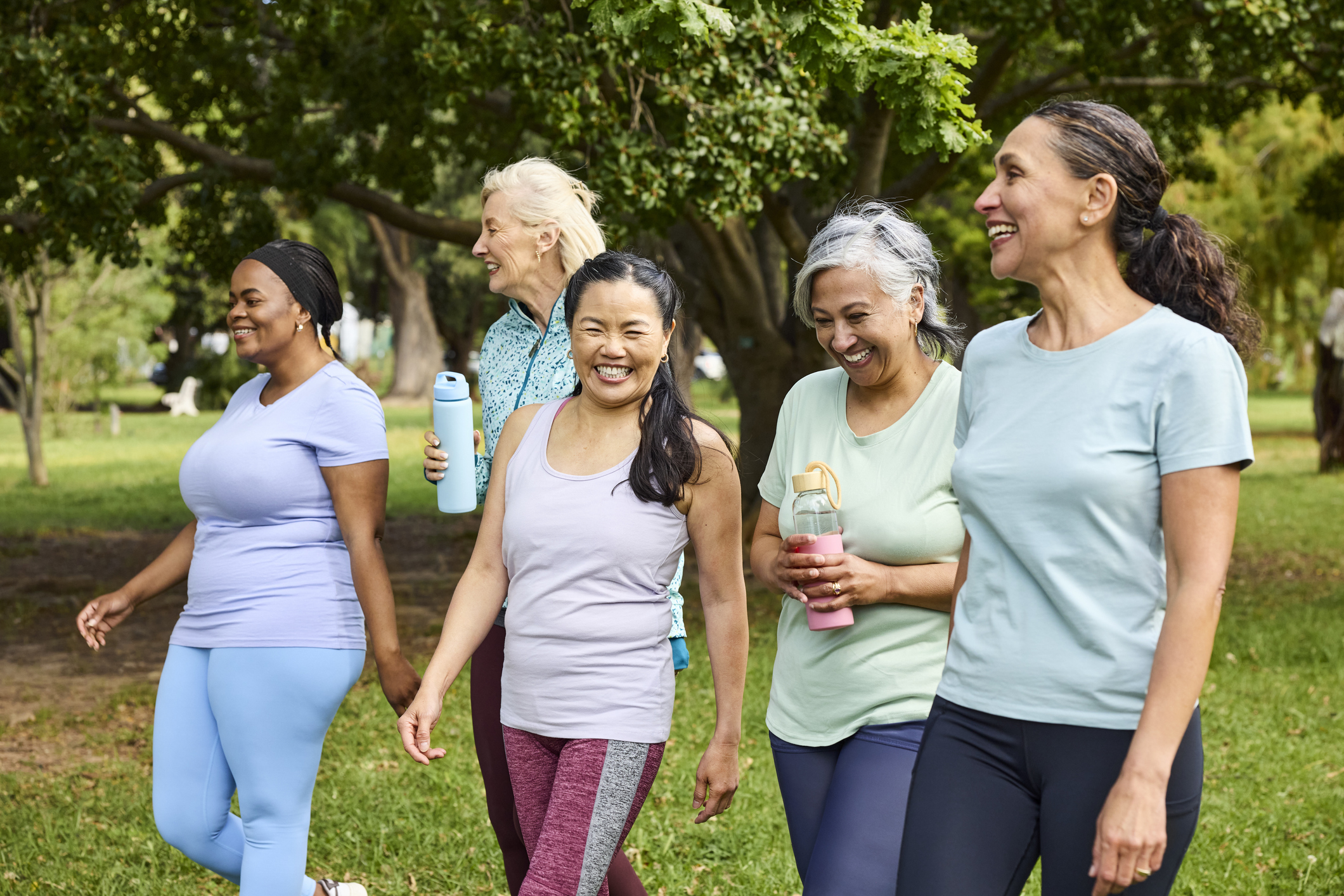
One of the study’s most notable findings was the association between friendships and regular cancer screening.
Friends may encourage one another to seek information, enrol in preventive health programmes or incorporate screening into their healthcare routines. The researchers also found that the influence of friends was associated with enrolment in Healthier SG, which was in turn linked to more regular screening. This pattern was observed across the cancer types studied, except for colorectal screening among participants aged 50 to 59.
Family relationships appeared to play a different role. Instead of showing the same direct association with regular screening, family influence was more closely connected to participants’ knowledge of screening and their attitudes towards it.
The distinction could have practical implications. Family circumstances and relationships may be difficult for policymakers to change, but opportunities for peer support and community participation can potentially be strengthened. Such networks could provide additional encouragement for people with fewer family or socioeconomic resources to draw on.
Knowledge matters, but so do circumstances
Knowledge about cancer screening and fatalistic beliefs about illness and dying were also associated with screening regularity. These attitudes are not necessarily fixed. The study suggests that they may be shaped by a person’s family and friends, as well as engagement through Healthier SG.
The relationship between social influence and screening was not uniform across the population, however.
Participants in their 60s showed more pathways associated with regular screening. The researchers suggested that the greater relevance of cancer risk during this stage of life could make this group more responsive to different influences, including family, friends and participation in Healthier SG.
Socioeconomic circumstances also mattered, although they did not affect every group in the same way. As factors such as education and housing are not easily changed, peer support and community networks could offer additional ways to encourage screening among people facing different circumstances.
The findings suggest that raising screening rates requires attention to more than the availability of healthcare services. How people receive health information, the attitudes they develop and the support surrounding them may all influence whether they maintain regular screening habits.
Research for a super-aged Singapore
The study was unveiled at SMU’s sixth annual ROSA Symposium on Successful Ageing on 20 October 2026. Themed “Unlocking the Potential of a Superaged Singapore”, the symposium examined how age-friendly environments, preventive healthcare, financial planning and community support could contribute to successful ageing.
Guest of Honour Indranee Rajah, Minister in the Prime Minister’s Office and Second Minister for Finance and National Development, delivered the keynote address and participated in a panel discussion titled “Transforming Longevity into Societal Advantage”. The discussion was moderated by Paulin Straughan.
Close to 200 participants from government, academia and industry attended. The symposium provided an opportunity to consider how findings from Centre for Research on Successful Ageing’s research could inform policy and practice, drawing on evidence collected through the Singapore Life Panel®.
The Singapore Life Panel® is a national longitudinal survey of Singaporeans that began in 2015. The web-based survey has an average of about 7,200 respondents each month and collects information regularly to track ageing trends and changes in well-being. Centre for Research on Successful Ageing uses the data to examine issues affecting older adults and identify ways to support successful ageing.
For the cancer-screening study, researchers excluded participants with a history of cancer. They used structural equation modelling to examine associations among social influence, knowledge, Healthier SG enrolment and screening regularity. The research was made possible by The Ngee Ann Kongsi, with support from the Ministry of Education.
The research also raises a broader question about the role universities can play in an ageing society. Understanding why people adopt healthy habits, and why they sometimes struggle to maintain them, can help inform public policy and community initiatives.
As Singapore considers how to make longer lives healthier and more fulfilling, the relationships people build and sustain may deserve as much attention as the healthcare services available to them.
See also: Friends May Help Drive Regular Cancer Screening, SMU study finds | SMU Newsroom