


Advancing Sustainable Development Goals for marginalised communities
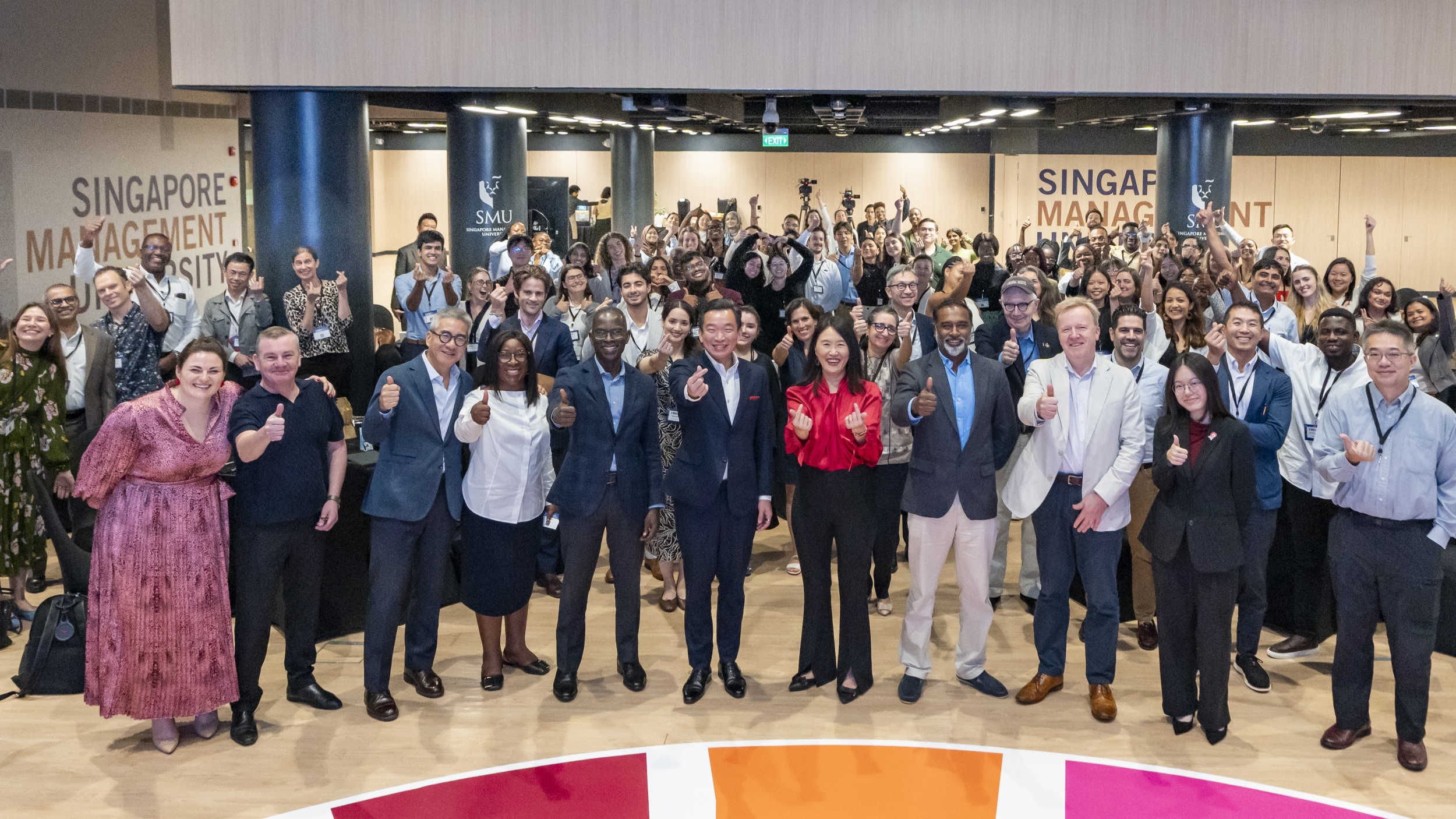
SMU welcomed 150 academic leaders, industry experts, third sector practitioners and student researchers to the Reach Alliance’s first conference in Asia from 18 to 21 November 2025.
Marking the Alliance’s 10th anniversary, this landmark event underscored the power of interdisciplinary research and cross-regional partnerships in advancing the Sustainable Development Goals (SDGs) for marginalised communities around the world.
Co-organised with the University of Toronto and involving other Alliance partners, including University College London, the University of Melbourne, the University of Cape Town, Oxford University, Tecnológico de Monterrey, Ashesi University and Howard University, the conference delivered a clear message: against a backdrop of rapid technological shifts and geopolitical uncertainty, universities are active architects of a resilient and sustainable future.
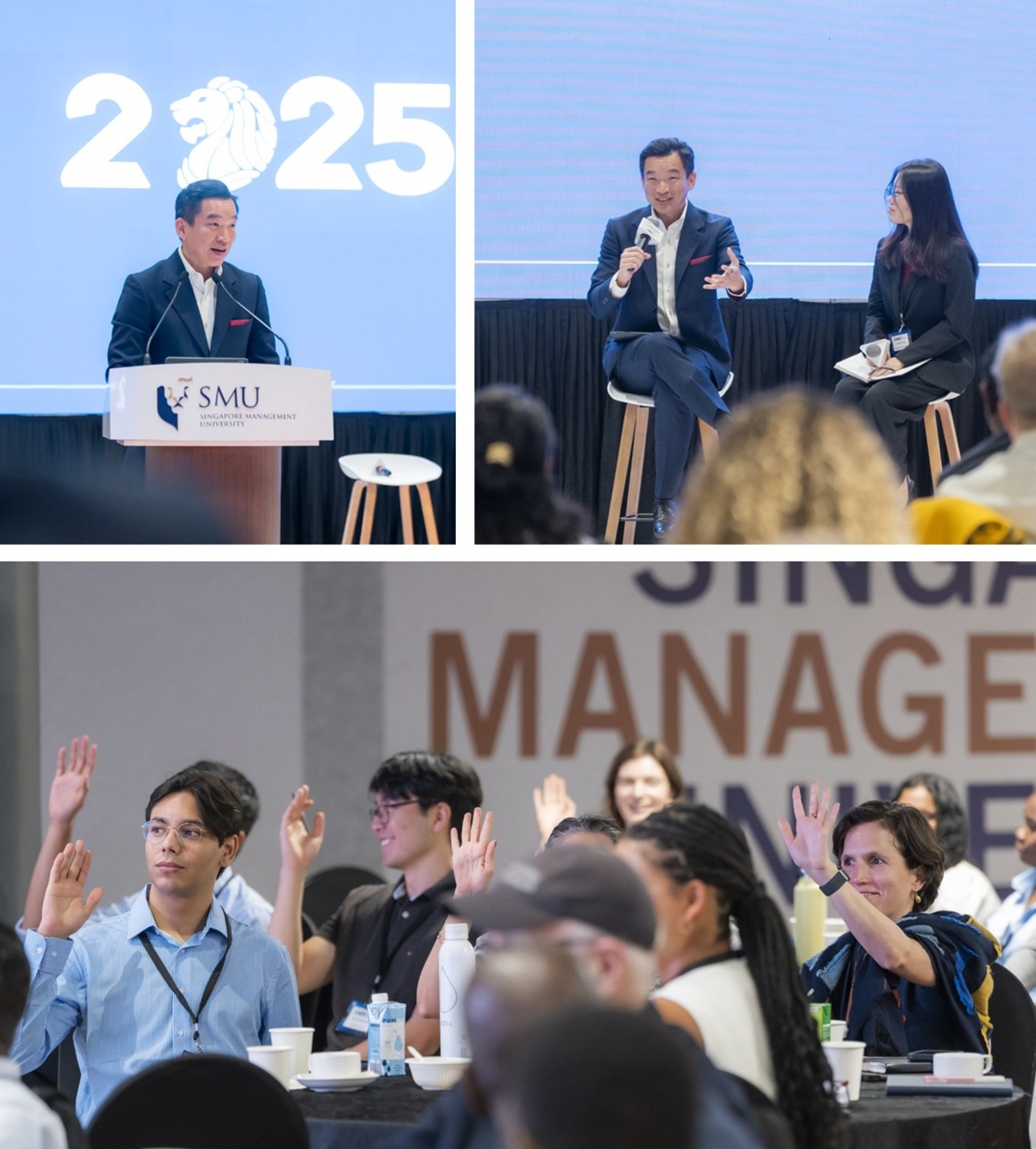
This was underscored by Senior Parliamentary Secretary of Singapore’s Ministry of Social and Family Development Eric Chua, who delivered a keynote speech that illustrated how universities are crucial in creating a 'We First' society that drives sustainable development. He also shared Singapore’s strategies for building strong and resilient families and shaping a robust social compact for social mobility, and praised the Reach Alliance’s decade-long track record of developing actionable insights that have positively impacted marginalised communities around the world.
The “Avengers of Higher Education”
A highlight of the conference was the inaugural Reach Alliance Leaders’ Roundtable, which threw a spotlight on the role of universities in creating impactful change. Moderated by Reach Alliance Executive Director Marin MacLeod, the session was dubbed a gathering of “the Avengers of Higher Education” – a fitting tribute to the powerhouse panel of senior university leaders.
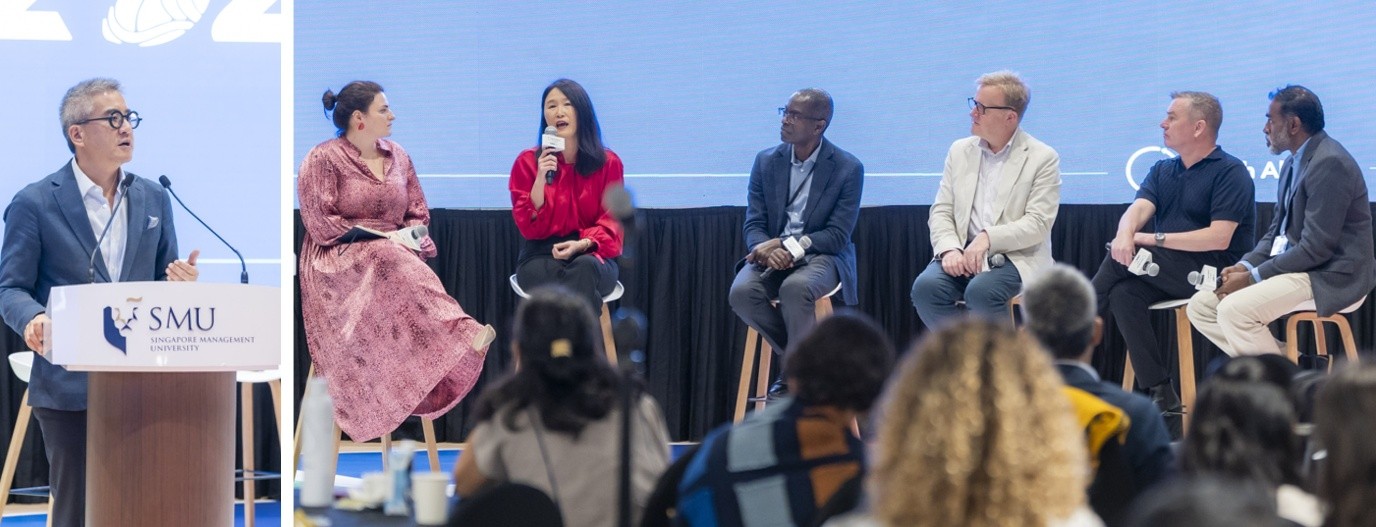
Responding to a call by Reach Alliance Founder and University of Toronto Vice-President International Joseph Wong to make the “strongest case possible” for higher education’s role in advancing the SDGs, the leaders offered distinct, forward-looking perspectives:
- Ashesi University Founder and President Patrick Awuah argued for nourishing the “whole mind,” cultivating integrity and character alongside skills.
- University College London Vice-Provost for Research, Innovation and Global Engagement Geraint Rees championed intellectual diversity and the imperative to “differ well” in polarised times.
- University of Melbourne Pro Vice-Chancellor International Adrian Little highlighted the university’s duty to serve as an open, trusted steward of knowledge.
- University of Cape Town Deputy Vice-Chancellor for Research and Internationalisation Jeff Murugan drew on pandemic lessons to illustrate how cross-border collaboration enables decisive responses to shared crises.
- SMU Vice-President for Partnerships and Engagement Lim Sun Sun illustrated how universities are uniquely positioned to harness the nexus of management, technology and the social sciences to nurture the next generation of changemakers.
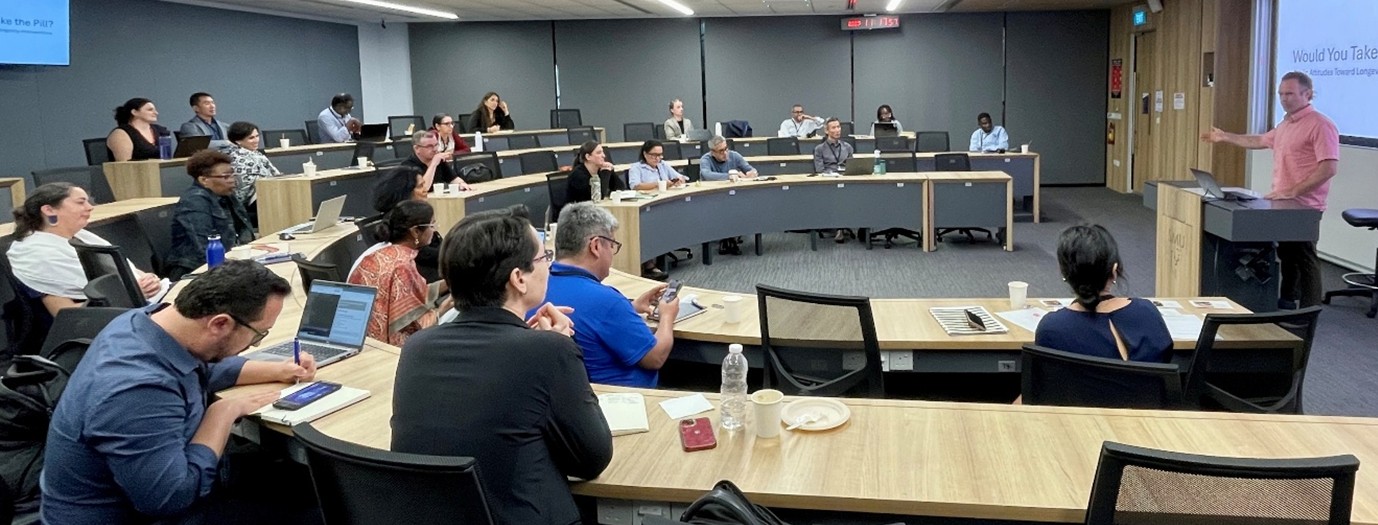
These high-level discussions quickly turned into action, with faculty and students convening for workshops and research-matching sessions for interdisciplinary projects in the coming year.
Aligned for Impact
When opening the conference, SMU President Lily Kong noted that the Reach Alliance and SMU are remarkably aligned— impact-first, human-centred and globally connected.
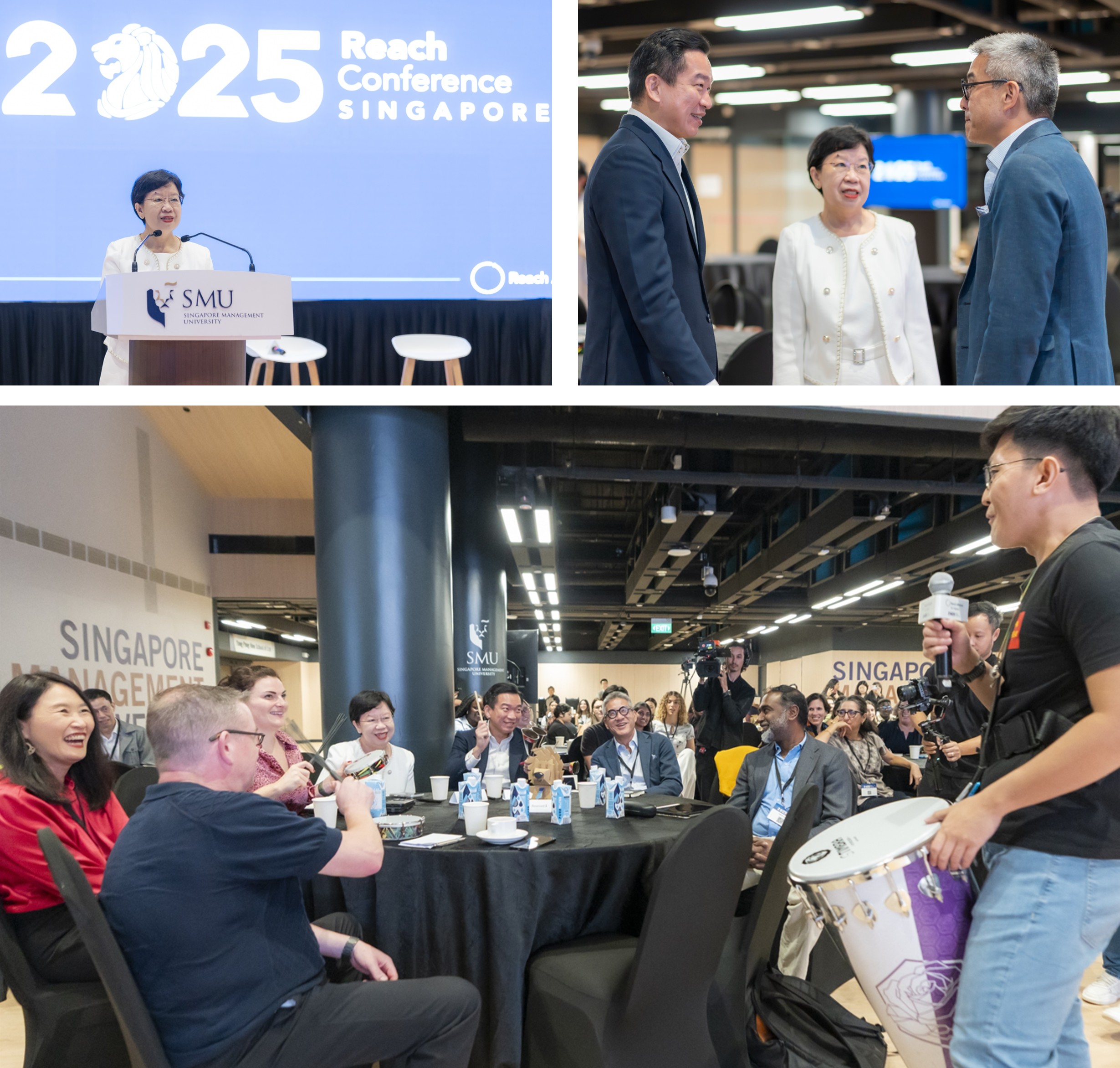
This synergy was apparent during the Conference, which saw the launch of 17 co-curated research workstreams to uplift communities around the world, a year-long cross-university project in collaboration with a Nepalese social enterprise, and the seeding of an interdisciplinary research repository among Alliance faculty members.
SMU also arranged for the Reach community to visit and engage directly with local organisations supporting migrant workers, serving to contexualise a Reach Alliance project where students and faculty of SMU’s College of Integrative Studies partnered with migrant workers to co-develop an AI-enabled financial literacy bot.
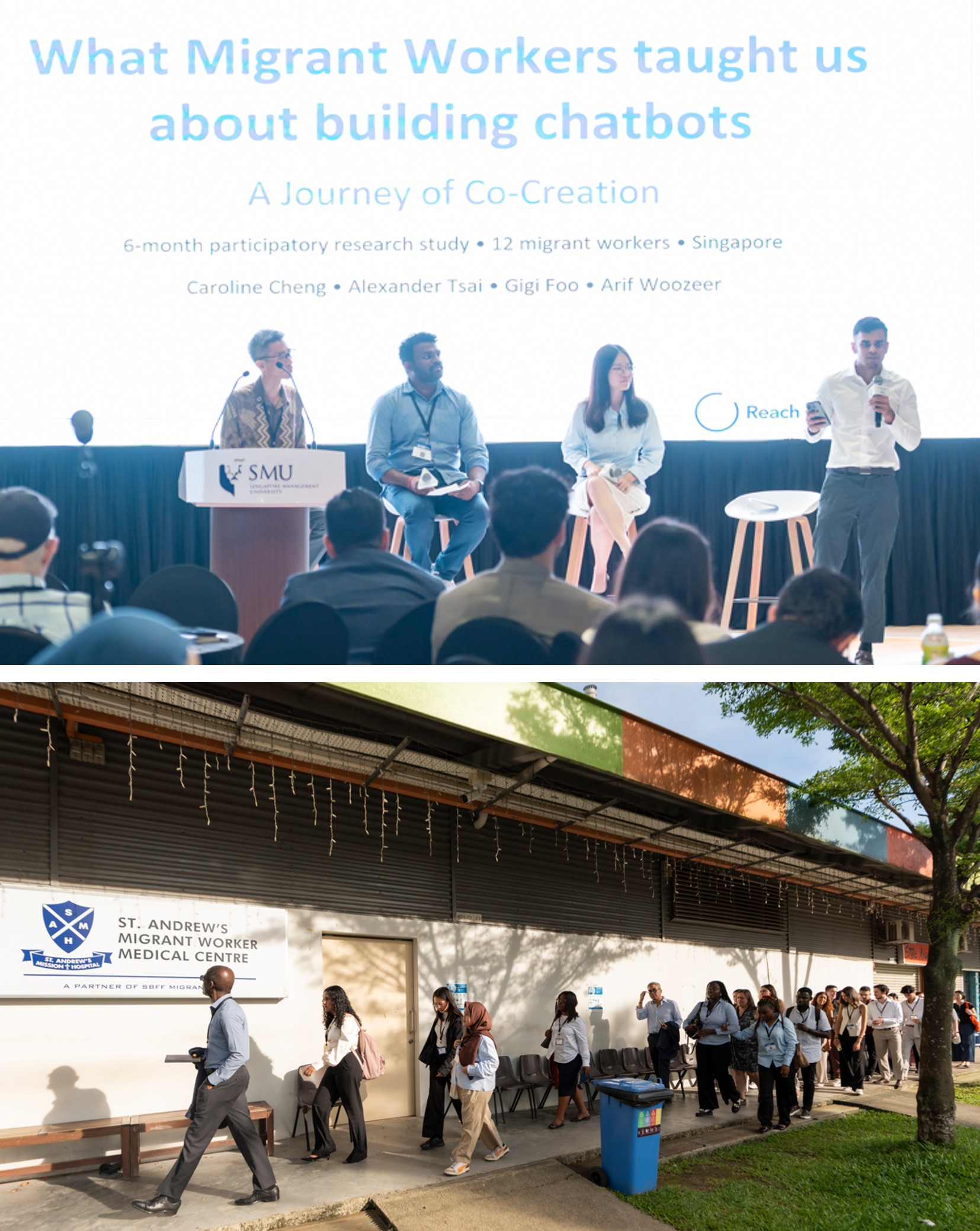
This experience enabled a firsthand look at how policy, interdisciplinary research and community action can intersect to improve the well-being of diaspora in Singapore, underscoring SMU’s belief in experiential learning and real-world problem solving.
Shared commitment for the next decade
The Reach Alliance stands as a testament to the power of shared resolve in addressing societal challenges.
SMU will leverage its position as a knowledge gateway between Asia and the world to contribute to the Alliance’s growth in its second decade, helping to shape a global future that is equitable and sustainable for all.
See also: Reach for Impact: Universities working together to uplift lives | SMU Newsroom