


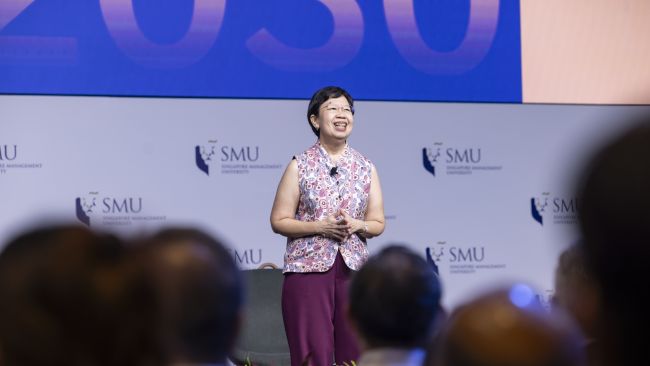
Beyond commitment: SMU charts its next chapter of impact
Published onWhat is different because SMU is here? At the SMU President's State of the University Address 2026, Professor Lily Kong challenged the University to look beyond achievement and turn commitment into momentum. Discover how SMU plans to strengthen education, research and partnerships, measure lasting impact, and create opportunities and improvements that endure for many generations to come.
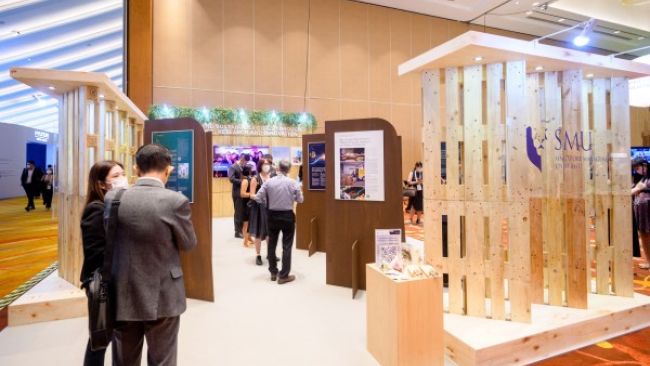
There's no escaping it: we all have a role to play in sustainability. Individuals, businesses and governments all need to do their part if we're going to avert the most catastrophic effects of climate change. But what about universities? What role can they play in building sustainability? Turns out, institutions of higher education can make a big difference.
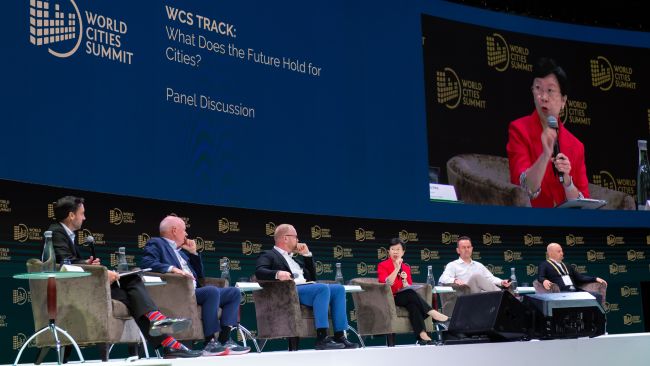
In a post-pandemic world, rocked by geopolitical crises, the future of cities has never been more uncertain. Whatever they should look like in the future, leaders should always place humans and their needs at the forefront of city development, said Professor Lily Kong, SMU President and Lee Kong Chian Chair Professor of Social Sciences.
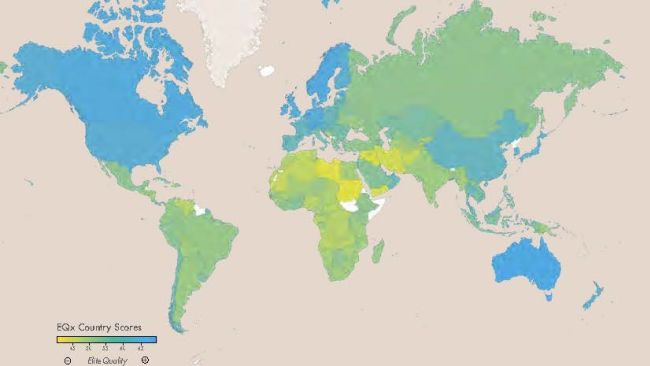
“Elites” is often a term imbued with negative connotations.
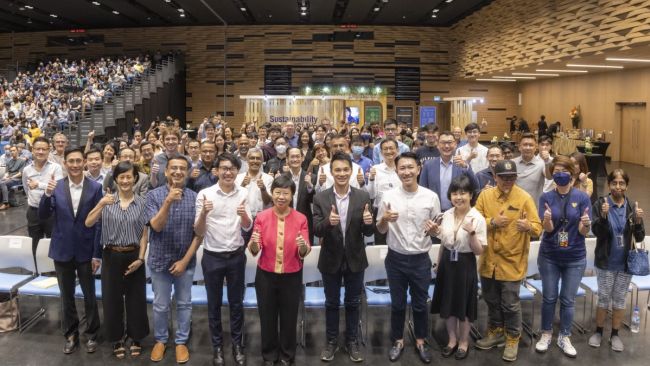
President’s State of the University Address 2022 Singapore has long been known as a garden city, and with good reason. The city is home to an abundance of greenery, from the carefully manicured gardens of the Botanic Gardens to the lush foliage of Pulau Ubin.

Do you avoid going to the doctor? Chances are, you're not alone — especially if you’re 57 or older. In fact, older adults are much less likely to visit a doctor than any other age group. While there are many reasons for this, fear is the most common. Fear of getting bad news, fear of being uncomfortable, or fear of spending money they don't have are just a few reasons why seniors may avoid seeking medical care.

The annual SMU Arts Festival is one of the most highly anticipated events in the city's cultural calendar. This year marks a return to live performances after two online editions during Covid-19, and it was a spectacular showcase of the best SMU talents and guest artistes. Themed LOST & FOUND, the festival paid tribute to a platform lost for two years but now found, with a focus on rediscovering the joys of in-person gatherings.

Every day, people interact with insurance products and services. Whether it is car insurance, health insurance, or life insurance, most people have some type of policy to protect their valuable tangible or intangible assets. Behind the scenes, there is a team of professionals who work diligently to ensure that the products offered are affordable and meet the customer's needs.

We're still in the early days of Web 3.0, so it's hard to predict exactly how it will play out. But some things are already clear: For one, the metaverse will play a starring role – a virtual space where people can interact and do business.

In today's globalised and interconnected world, it is more important than ever for postgraduate students to conduct well-rounded research, relevant to the challenges of the 21st century.
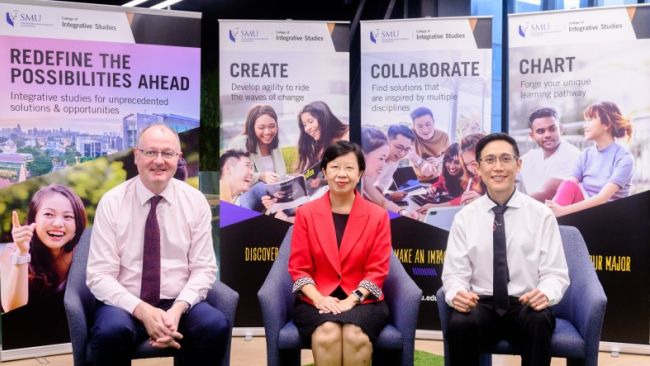
On 20 May 2022, SMU announced the launch of its College of Integrative Studies (CIS), a new approach to education that cultivates deep, integrative interdisciplinarity in graduates. Students enrolled in the flagship Individualised Major will be guided through a customised major that leverages their strengths and areas of interest. This allows them to respond to the dynamic needs of industry and society.