

Beyond commitment: SMU charts its next chapter of impact
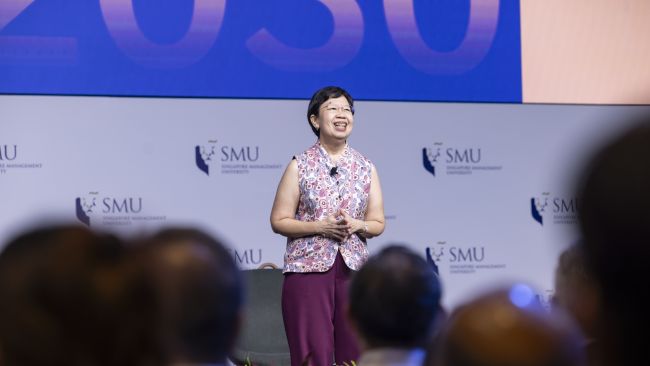
Published onWhat is different because SMU is here? At the SMU President's State of the University Address 2026, Professor Lily Kong challenged the University to look beyond achievement and turn commitment into momentum. Discover how SMU plans to strengthen education, research and partnerships, measure lasting impact, and create opportunities and improvements that endure for many generations to come.
On 22 April 2023, as the world came together on World Earth Day to recognise the importance of positive environmental impact, SMU reinforced its commitment to sustainability to drive positive change.
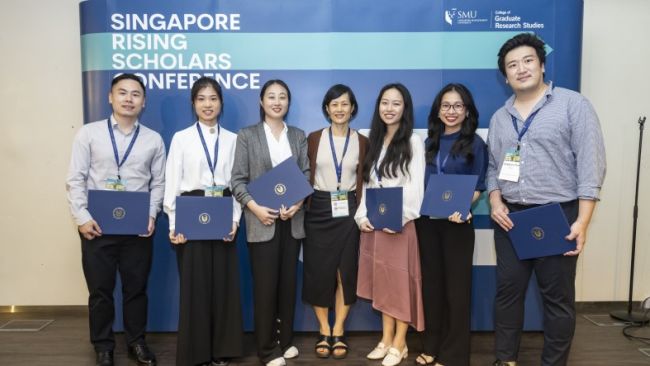
Inaugural Singapore Rising Scholars Conference held on 5 May 2023.
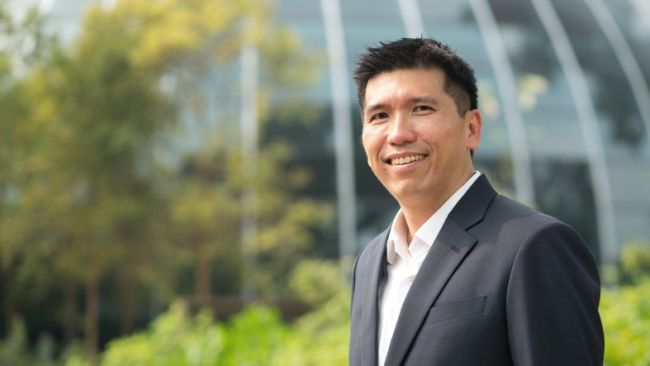
In April, Associate Professor Winston Chow was nominated by the Singapore Government for a highly significant post on the global Intergovernmental Panel on Climate Change (IPCC) Bureau.

To equip arts professionals with cutting-edge skills to stay ahead in a rapidly evolving industry, SMU Academy, and the Nanyang Academy of Fine Arts (NAFA) have announced a partnership to offer two advanced certificate programmes.
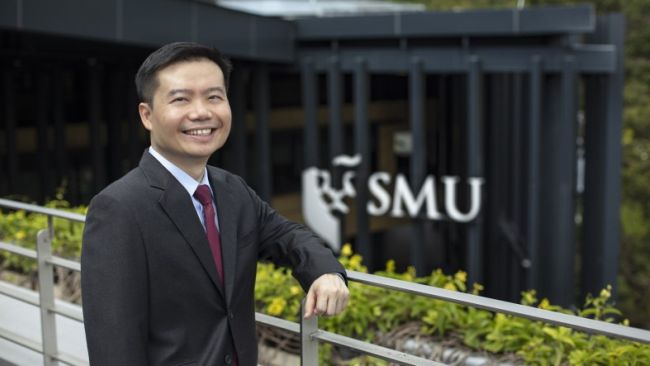
SMU School of Accountancy (SOA) Associate Professor Seow Poh Sun recently garnered recognition for his excellence as an educator when he received the prestigious American Accounting Association’s (AAA) Outstanding Accounting Educator Award 2023.

The job market is evolving, and employers are now placing a greater emphasis on skills acquired outside of the traditional academic setting. As a result, it has become imperative for job seekers to equip themselves with a diverse range of proficiencies that extend beyond traditional academic achievements.
Water, the essence of life, is a precious resource that sustains our planet. Despite its importance, water is often undervalued and taken for granted: the average Singaporean used 158 litres of water a day in 2021 — up from 141 litres a person a day in 2019.
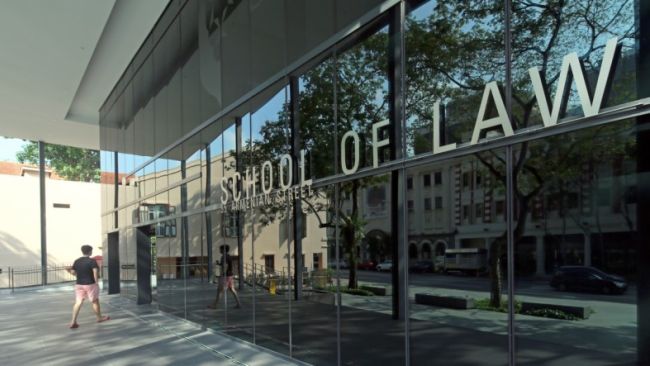
The world in which we work has undergone significant changes, marked by a surge in the adoption of digital tools. Furthermore, the complexities of conducting business have grown in a globalised economy, adding to the challenges that legal professionals must address to stand out in a fast-evolving landscape. Striving to ensure that students graduate with a future-ready foundation, SMU’s Yong Pung How School of Law (YPHSL) regularly updates its curriculum to ensure it meets new and future challenges.
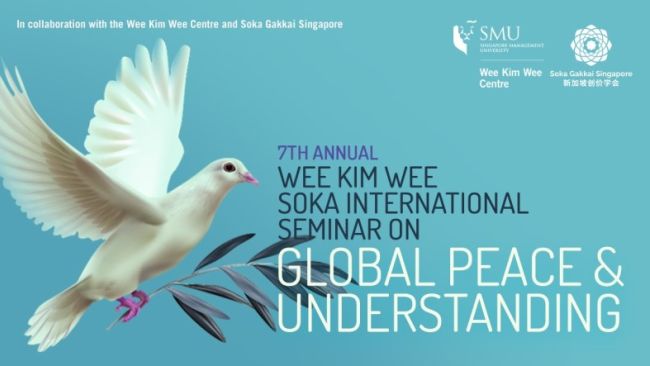
Each year, SMU hosts its annual Wee Kim Wee Soka International Seminar on Global Peace and Understanding. Held on 16 February 2023, this year’s event focused on the big questions explored by SMU’s Core Curriculum as they relate to wealth and poverty. It brought together academics, policymakers, practitioners, and observers from around the world to discuss new ways of thinking about how wealth and poverty influence our lives today.
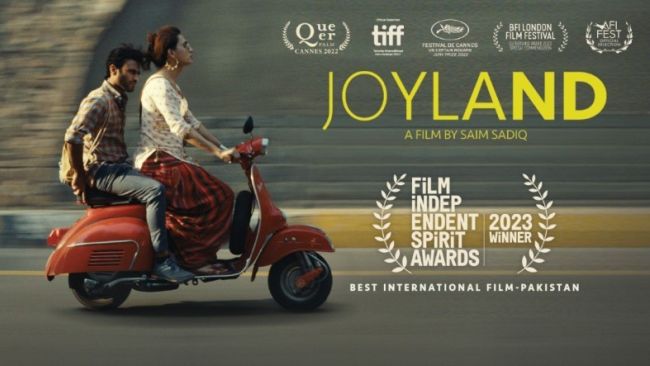
Life can sometimes take you down unexpected turns, and it is not uncommon to discover one's true calling along a road less travelled. Such was the experience of SMU alumna Apoorva Charan, who has carved out her own path as a film producer following her graduation.